

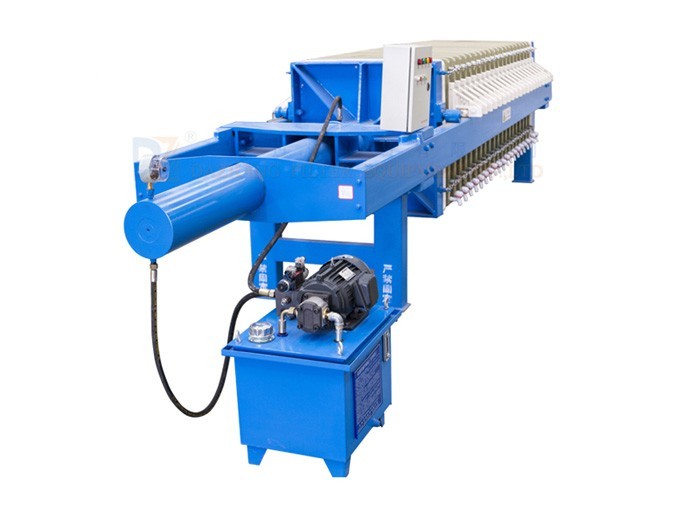
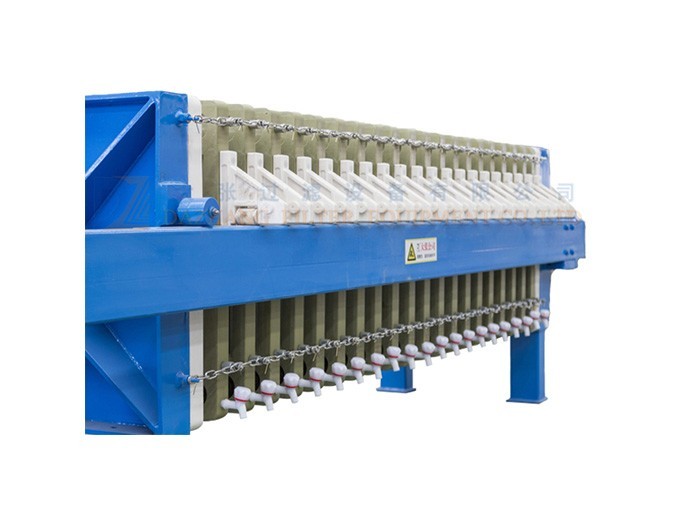
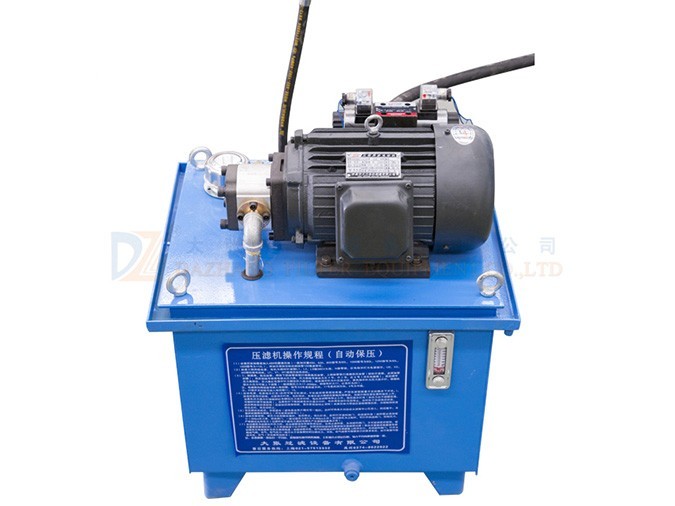
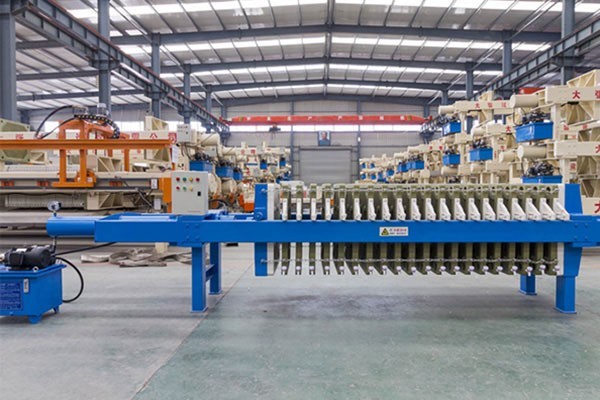
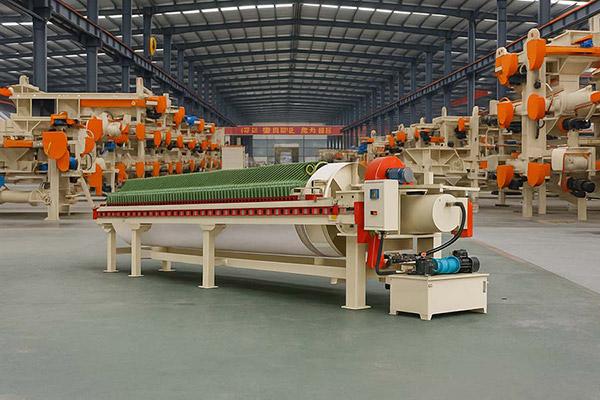
Одноцилиндровый фильтр-пресс
- 4-55
- 500、700、870、1000、1250
- Автоматический
- Быстрое открытие и т. д.
- 0.6
- Видимый/Невидимый
- Описание
- Характеристики
Обзор
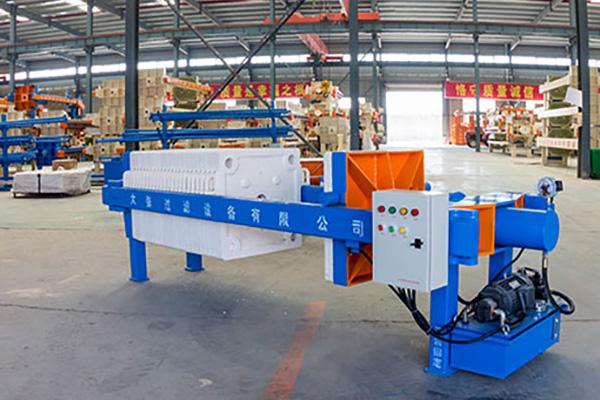
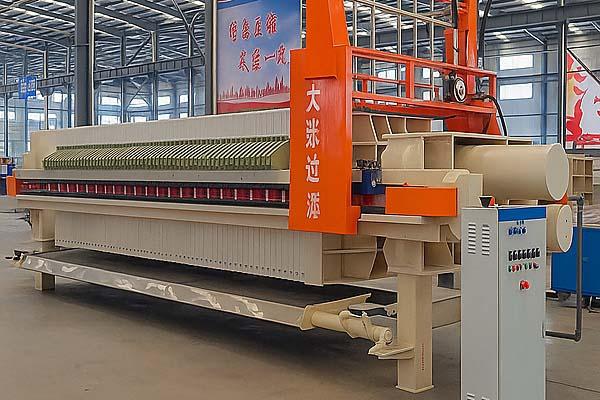
Фильтр-пресс с одновременным открытием — это тип фильтрующего оборудования, в котором слив фильтрата осуществляется путем одновременного открытия всех фильтрующих пластин по завершении процесса фильтрации.
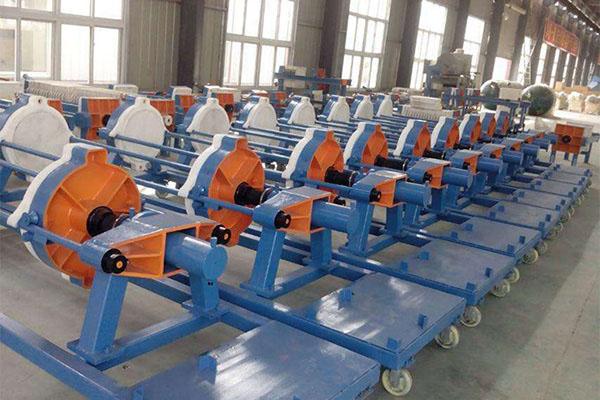
В отличие от традиционных фильтр-прессов, в которых пластины открываются поочередно, в данном оборудовании обычно используется механизм взаимоблокировки или автоматического выдвижения пластин, что позволяет одновременно открывать все фильтрующие пластины на этапе слива, тем самым повышая эффективность работы.
Основные преимущества
Высокоэффективный слив
Стабильная эффективность фильтрации
Подходит для материалов с высоким содержанием твердых веществ
Высокая степень автоматизации
Высокая эксплуатационная безопасность
Области применения
Типичные отрасли и материалы:
- Промышленное применение: Фильтрация веществ со средней и высокой концентрацией в химической, фармацевтической и металлургической промышленности.
- Применение в экологии: Обезвоживание осадка на станциях очистки сточных вод и при очистке промышленных сточных вод.
- Ресурсодобывающая промышленность: Обезвоживание хвостов и угольной пульпы.
- Пищевая промышленность (при определенных условиях): Фильтрация крахмала, сахаров и некоторых пищевых добавок.
Примечания по выбору (ограничения)
- Ограничения процесса: Не подходит для сценариев непрерывного производства.
- Ограничения по материалам: Менее эффективно для чрезвычайно мелких частиц, высоковязких материалов или материалов с низким содержанием твердых веществ.
- Экономика: Относительно высокие затраты на оборудование и техническое обслуживание.
- Условия эксплуатации: Требует достаточного монтажного пространства и вспомогательных систем.
| Модель | Площадь фильтрации (м²) | Размер плиты (мм) | Толщина осадка (мм) | Объём фильтровальной камеры (л) | Количество плит (шт.) | Количество рам (шт.) | Давление фильтрации (МПа) | Масса (кг) |
Габариты (мм) Д × Ш × В |
Размер фундамента (мм) | |||
|---|---|---|---|---|---|---|---|---|---|---|---|---|---|
| L | B | D | H | ||||||||||
| BAMQ1/320-25 | 1 | 380 × 380 | ≥25 | 13 | 4 | 5 | 0.6 | 380 | 1150 × 760 × 650 | 700 | 150 | 650 | 460 |
| BAMQ2/320-25 | 2 | 25 | 9 | 10 | 500 | 1390 × 760 × 650 | 940 | ||||||
| BAMQ3/320-25 | 3 | 38 | 14 | 15 | 620 | 1750 × 760 × 650 | 1300 | ||||||
| BAMQ4/450-25 | 4 | 500 × 500 | 51 | 9 | 10 | 0.6 | 1060 | 1780 × 870 × 880 | 1355 | 180 | 700 | 620 | |
| BAMQ6/450-25 | 6 | 76 | 14 | 15 | 1160 | 2055 × 870 × 880 | 1605 | ||||||
| BAMQ8/450-25 | 8 | 102 | 19 | 20 | 1360 | 2305 × 870 × 880 | 1855 | ||||||
| BAMQ12/450-25 | 12 | 152 | 29 | 30 | 1530 | 2785 × 870 × 880 | 2355 | ||||||
| BAMQ16/450-25 | 16 | 203 | 39 | 40 | 1760 | 3305 × 870 × 880 | 2855 | ||||||
| XAMQ4/450-25 | 4 | 51 | 9 | – | 960 | 1900 × 870 × 880 | 1330 | 180 | 700 | 620 | |||
| XAMQ6/450-25 | 6 | 76 | 14 | 1140 | 2030 × 870 × 880 | 1580 | |||||||
| XAMQ8/450-25 | 8 | 102 | 19 | 1460 | 2280 × 870 × 880 | 1830 | |||||||
| XAMQ12/450-25 | 12 | 152 | 29 | 1960 | 2780 × 870 × 880 | 2330 | |||||||
| XAMQ16/450-25 | 16 | 203 | 39 | 2460 | 3280 × 870 × 880 | 2830 | |||||||
| BAMQ20/630-25 | 20 | 700 × 700 | 298 | 24 | 25 | 0.6 | 3300 | 2750 × 1150 × 1100 | 2270 | 400 | 1000 | 820 | |
| BAMQ30/630-25 | 30 | 452 | 37 | 38 | 4500 | 3220 × 1150 × 1100 | 2920 | ||||||
| BAMQ40/630-25 | 40 | 496 | 49 | 50 | 5600 | 3870 × 1150 × 1100 | 3570 | ||||||
| BAMY20/630-25 | 20 | 298 | 24 | 25 | 3700 | 2960 × 1150 × 1100 | 2490 | 400 | 1000 | 820 | |||
| BAMY30/630-25 | 30 | 452 | 37 | 38 | 5000 | 3610 × 1150 × 1100 | 3140 | ||||||
| BAMY40/630-25 | 40 | 595 | 49 | 50 | 6100 | 4210 × 1150 × 1100 | 3740 | ||||||
| XAMQ20/630-25 | 20 | 248 | 24 | – | 3400 | 2600 × 1100 × 1100 | 2300 | 400 | 1000 | 820 | |||
| XAMQ30/630-25 | 30 | 377 | 37 | 4700 | 3250 × 1100 × 1100 | 2950 | |||||||
| XAMQ40/630-25 | 40 | 496 | 49 | 5900 | 3900 × 1100 × 1100 | 3600 | |||||||
| XAMY20/630-25 | 20 | 248 | 24 | 3800 | 2950 × 1100 × 1100 | 2460 | 400 | 1000 | 820 | ||||
| XAMY30/630-25 | 30 | 377 | 37 | 5200 | 3580 × 1100 × 1100 | 3110 | |||||||
| XAMY40/630-25 | 40 | 496 | 49 | 6400 | 4180 × 1100 × 1100 | 3710 | |||||||
Узнать актуальную цену? Мы ответим как можно скорее (в течение 12 часов).